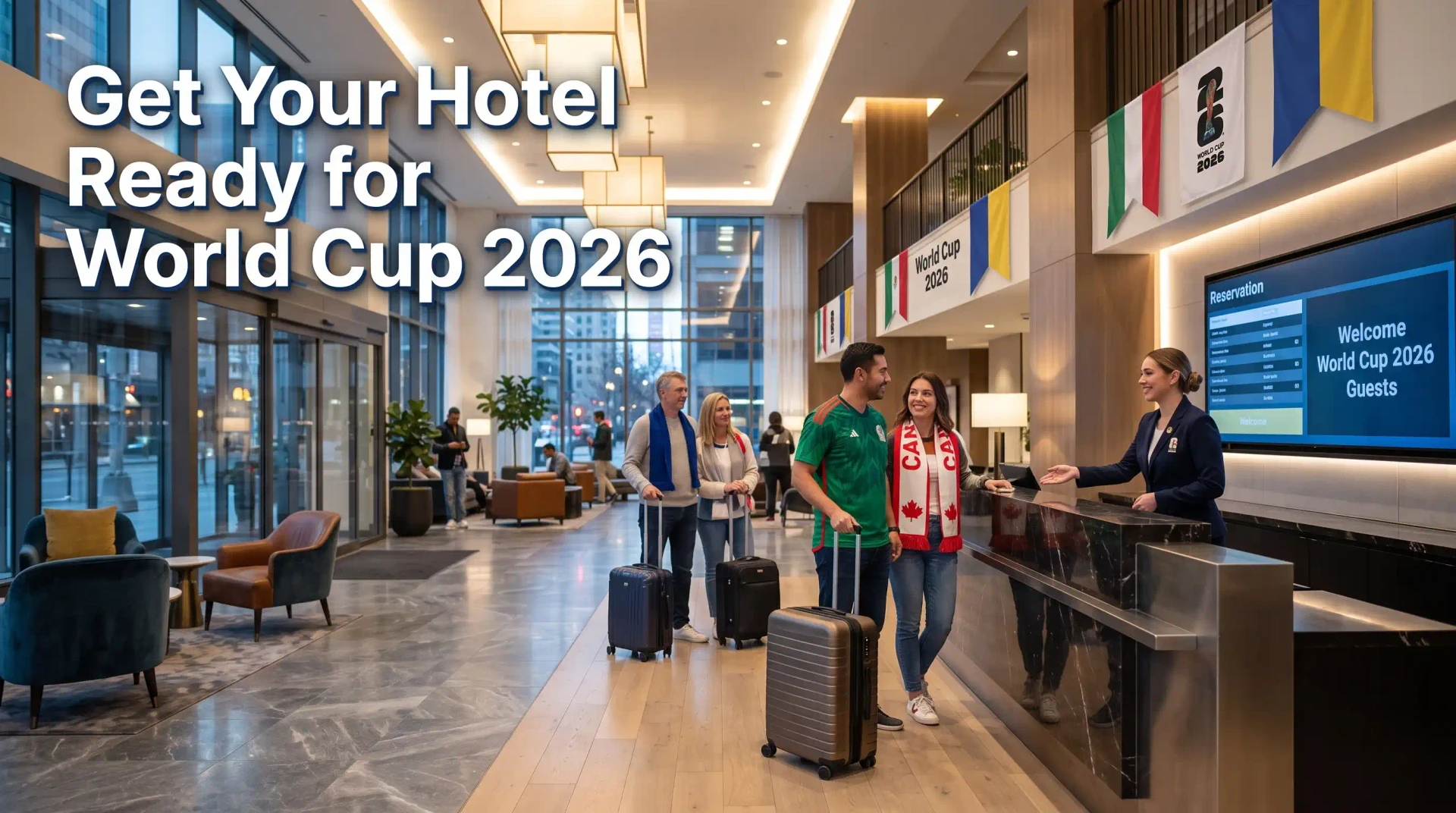
How Hotels Can Prepare for FIFA World Cup 2026 Guests: A Practical Guide to Increasing Bookings and Enhancing the Guest Experience
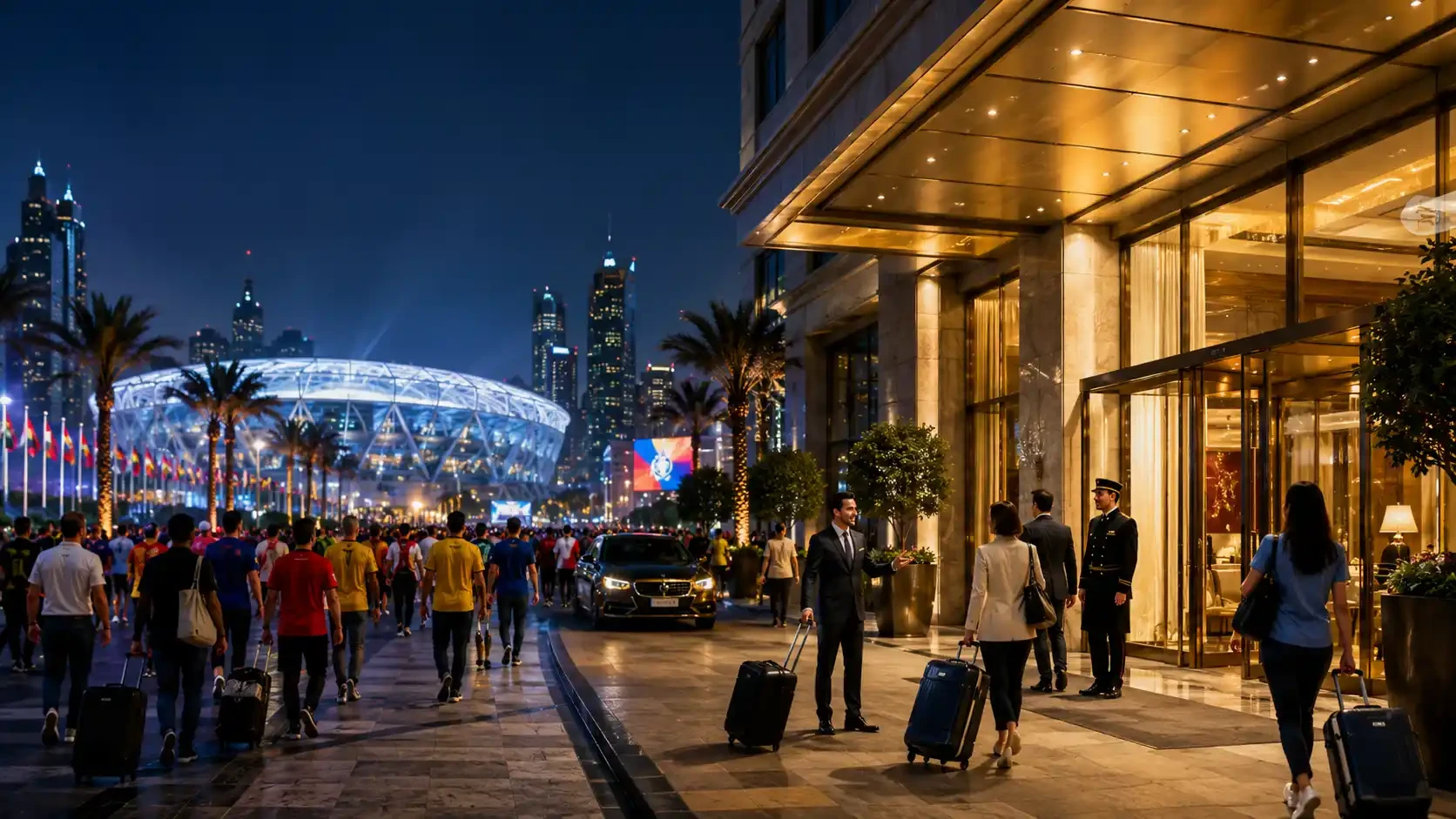
When a global event as significant as the FIFA World Cup 2026 approaches, preparation should begin long before the opening match. Hotels that achieve the best results during major sporting events are not always the largest or the most luxurious—they are the ones with a well-planned strategy for managing demand, preparing their teams, and delivering an outstanding guest experience from day one.
Many hotel owners assume that high demand alone guarantees higher revenue. In reality, the situation is far more competitive. As millions of football fans travel from around the world, guests begin comparing prices, locations, reviews, and amenities several months before the tournament even starts.
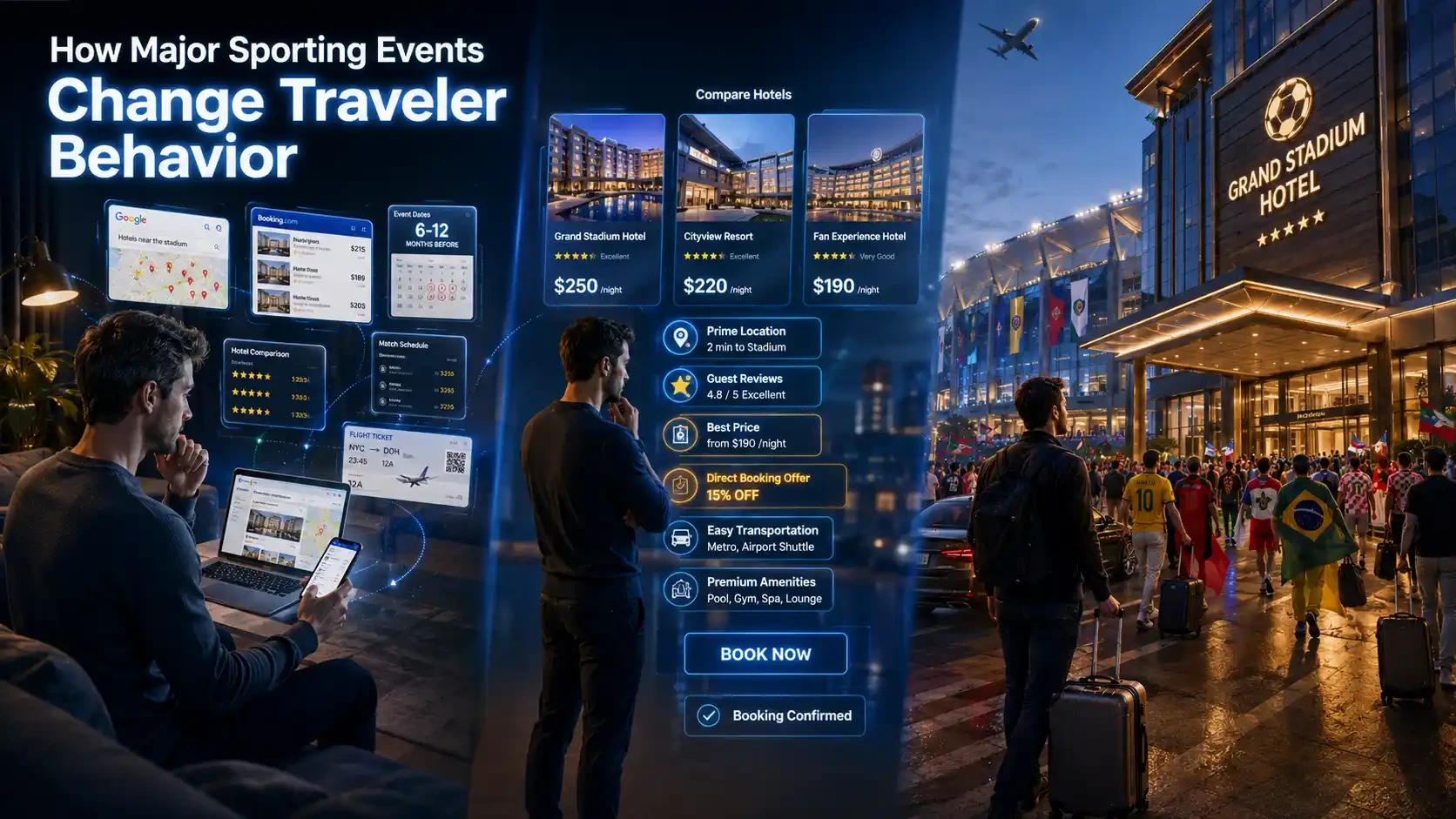
Booking trends from previous international sporting events show that a large percentage of travelers confirm their accommodations 6 to 12 months before the event, particularly those planning to attend multiple matches or travel with family and friends. Hotels that wait until the final weeks to update their pricing or optimize their booking profiles often miss a significant share of early reservations.
Whether your property is located in a host city or in a nearby destination expected to benefit from increased tourism, early preparation can make the difference between a successful season and an exceptional one.
Summary
Why Hotels Should Start Preparing Long Before the Tournament
One of the biggest misconceptions is that travelers book only a few days or weeks before the event. Major international tournaments such as the FIFA World Cup or the Olympic Games generate a very different booking pattern compared to regular tourism seasons.
Football fans typically follow a booking journey like this:
- Purchase match tickets as soon as they become available.
- Compare hotel prices months in advance.
- Search for accommodations near stadiums or public transportation.
- Monitor hotel rates before making a final decision.
- Book immediately once they find the right combination of price and value.
For this reason, many hotels begin receiving tournament reservations nearly a year in advance, while another wave of bookings usually arrives closer to the event as travelers finalize their itineraries.
Hotels that position themselves early are more likely to secure high occupancy rates without relying on last-minute discounts.
Step One: Forecast Demand Instead of Waiting for It
Successful preparation starts with understanding the market—not simply monitoring your current occupancy levels.
Before a major sporting event, hotel managers should answer questions such as:
- When does demand typically begin to increase?
- Which matches will be played near the hotel?
- How many rooms are likely to be sold during the tournament?
- Is the hotel primarily targeting families, football fans, or business travelers?
The answers to these questions help build a more accurate pricing and operational strategy, reducing the need for rushed decisions that may negatively affect revenue.
It is also valuable to analyze data from previous tournaments and review booking trends within your destination. Historical insights often provide a realistic picture of when demand peaks and how guests behave throughout the booking cycle.
Step Two: Update Your Pricing Strategy Early
Once demand has been estimated, pricing becomes one of the most critical factors influencing hotel performance during the tournament.
The objective is not simply to increase room rates, but to implement a dynamic pricing strategy that adjusts according to changes in market demand.
For example, if reservations begin accelerating several months before the event, room rates should gradually increase while remaining competitive compared to similar hotels in the area.
On the other hand, waiting until most nearby hotels are nearly sold out could mean losing valuable early bookings that are generally more stable and less likely to be canceled.
Hotel managers should also review their pricing regularly instead of making a single adjustment. Demand can change rapidly following match schedule announcements, additional ticket releases, or increases in international travel.
Tip
Step Three: Optimize Your Booking Profiles Before the Competition Intensifies
During global sporting events, competition doesn't begin at the hotel—it begins online.
Before clicking "Book Now," travelers often compare dozens of hotels based on pricing, location, guest reviews, photos, cancellation policies, and available amenities. As a result, your hotel's listing on platforms like Booking.com, Expedia, and Agoda becomes one of your most important marketing assets.
Before the tournament begins, make sure to:
- Upload high-quality, up-to-date photos of rooms and facilities.
- Write compelling property descriptions that clearly communicate your hotel's strengths.
- Verify that all amenities and services are accurate.
- Update cancellation and payment policies to reflect tournament demand.
- Add useful information about nearby stadiums, transportation options, and popular attractions.
Remember that many travelers search and book using mobile devices, so your listing should be easy to read and highlight your property's key advantages within the first few seconds.
Step Four: Ensure Your Team Is Ready
Higher occupancy means increased operational pressure across every hotel department.
That is why operational readiness is just as important as marketing and pricing.
Start by evaluating the staffing and operational requirements of every department within your hotel.
Front Office
The reception team creates the guest's first impression, making it one of the most important touchpoints during the entire stay.
Consider the following:
- Minimize check-in waiting times.
- Prepare guest information in advance whenever possible.
- Schedule additional staff during peak arrival periods.
- Train employees to communicate effectively with guests from different cultures.
Housekeeping
Rooms that are not ready on time often lead to delayed check-ins—one of the most common guest complaints during high-demand seasons.
To avoid operational bottlenecks:
- Review housekeeping schedules.
- Ensure adequate staffing levels.
- Maintain sufficient inventory of room supplies.
- Develop a plan for handling back-to-back reservations without compromising cleanliness standards.
Guest Services
During major sporting events, guest inquiries frequently revolve around:
- Match schedules.
- Transportation options.
- Nearby restaurants.
- Places to watch games.
- Delivery and local services.
The faster and more professionally your guest service team responds, the higher your guest satisfaction scores—and the greater your chances of receiving positive online reviews.
Step Five: Make Guest Experience Part of Your Marketing Strategy
Some hotel owners believe their job is done once every room is booked.
In reality, major sporting events offer a unique opportunity to build a digital reputation that can benefit the hotel for years after the tournament ends.
Guests who enjoy an exceptional stay are more likely to return in the future, recommend the property to friends and family, and leave positive online reviews that influence thousands of potential travelers.
Simple touches can make a significant difference, including:
- Setting up a dedicated area where guests can watch live matches.
- Providing maps showing transportation routes to stadiums.
- Extending breakfast hours on early match days.
- Preparing grab-and-go breakfast options for guests leaving early.
- Offering luggage storage before check-in and after check-out.
These thoughtful details demonstrate that the hotel understands its guests' needs, resulting in higher satisfaction levels and stronger online ratings.
Step Six: Don't Depend on a Single Booking Channel
During major events, a significant portion of reservations may come through Online Travel Agencies (OTAs). However, relying on just one booking platform can limit your property's visibility and revenue opportunities.
Instead, hotels should:
- Keep pricing and room availability updated across all distribution channels.
- Synchronize inventory continuously to prevent double bookings.
- Encourage direct bookings through the hotel's official website by offering exclusive benefits such as early check-in, complimentary upgrades, or discounts on hotel services.
The more diversified your distribution strategy, the less vulnerable your hotel becomes to changes in any single platform.
Warning
Common Mistakes Hotels Make Before Major Tournaments
Despite the enormous opportunity, many hotels still make avoidable mistakes that directly impact their performance during major sporting events.
Some of the most common include:
- Waiting until the tournament is close before updating room rates.
- Increasing prices excessively without analyzing market demand.
- Neglecting hotel listings on booking platforms.
- Understaffing during peak occupancy periods.
- Ignoring guest reviews and online reputation management.
- Operating without a clear plan for handling increased demand.
In many cases, these mistakes result in lost bookings that could have been secured through earlier preparation and better planning.
💡 A Tip from Target Hotel Marketing Experts
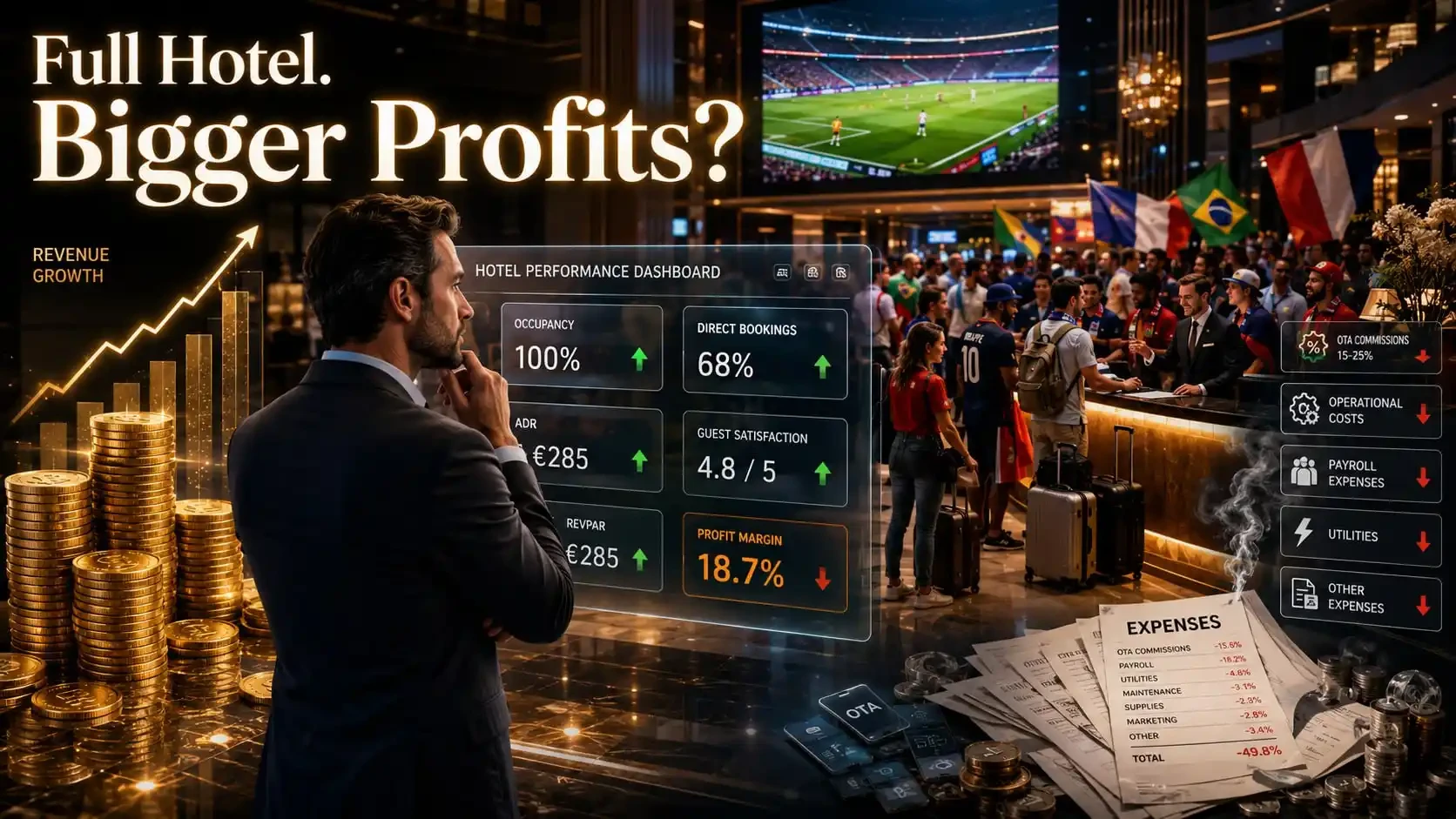
One of the biggest misconceptions in the hospitality industry is believing that high demand alone guarantees higher profits.
During international sporting events, many travelers book their accommodations 6 to 12 months before the tournament begins. Hotels that postpone pricing updates or delay optimizing their booking profiles often lose valuable early reservations to better-prepared competitors.
Start planning early, review your pricing strategy regularly, and invest in delivering an outstanding guest experience—not just maximizing occupancy. The reviews you earn during the tournament can continue generating bookings long after the final match has been played.
Conclusion
The FIFA World Cup 2026 presents an extraordinary opportunity for hotels, but it also serves as a true test of operational planning and revenue management.
Hotels that prepare early, implement flexible pricing strategies, strengthen their presence across booking platforms, and invest in staff training will be in the best position to achieve higher occupancy rates, increase revenue, and build a strong reputation that lasts well beyond the tournament.
Success during major sporting events is never a matter of luck. It is the result of careful planning, informed decisions, and attention to every detail that enhances the guest experience.
Frequently Asked Questions
When should hotels begin preparing for major sporting events?
Ideally, preparations should begin as soon as the tournament or match schedule is announced. Many travelers secure their accommodations between 6 and 12 months before the event.
Should hotels raise room rates immediately after the tournament is announced?
Not necessarily. Hotels should implement a dynamic pricing strategy that adjusts rates according to market demand, booking pace, and competitor pricing rather than applying arbitrary increases.
What's the most effective way to increase hotel bookings during the tournament?
Optimizing hotel listings on booking platforms, regularly updating photos and pricing, and delivering an exceptional guest experience are among the most effective strategies for attracting more reservations.
Can hotels located away from the stadiums still benefit?
Absolutely. Hotels located outside host areas can still attract guests by offering competitive pricing, convenient transportation access, and value-added services that make them an attractive alternative for tournament travelers.