How FIFA World Cup 2026 Affects Hotel Occupancy
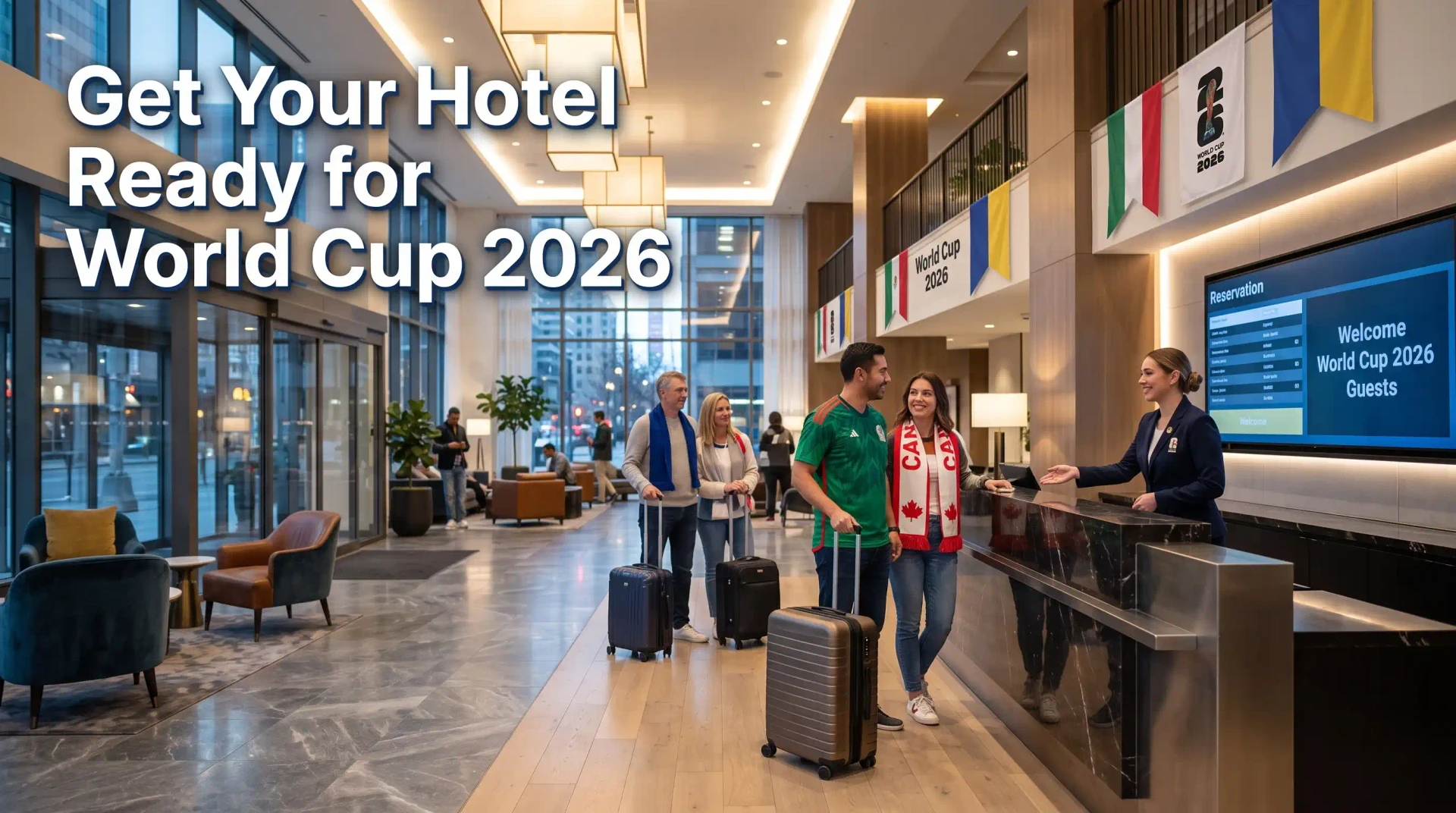
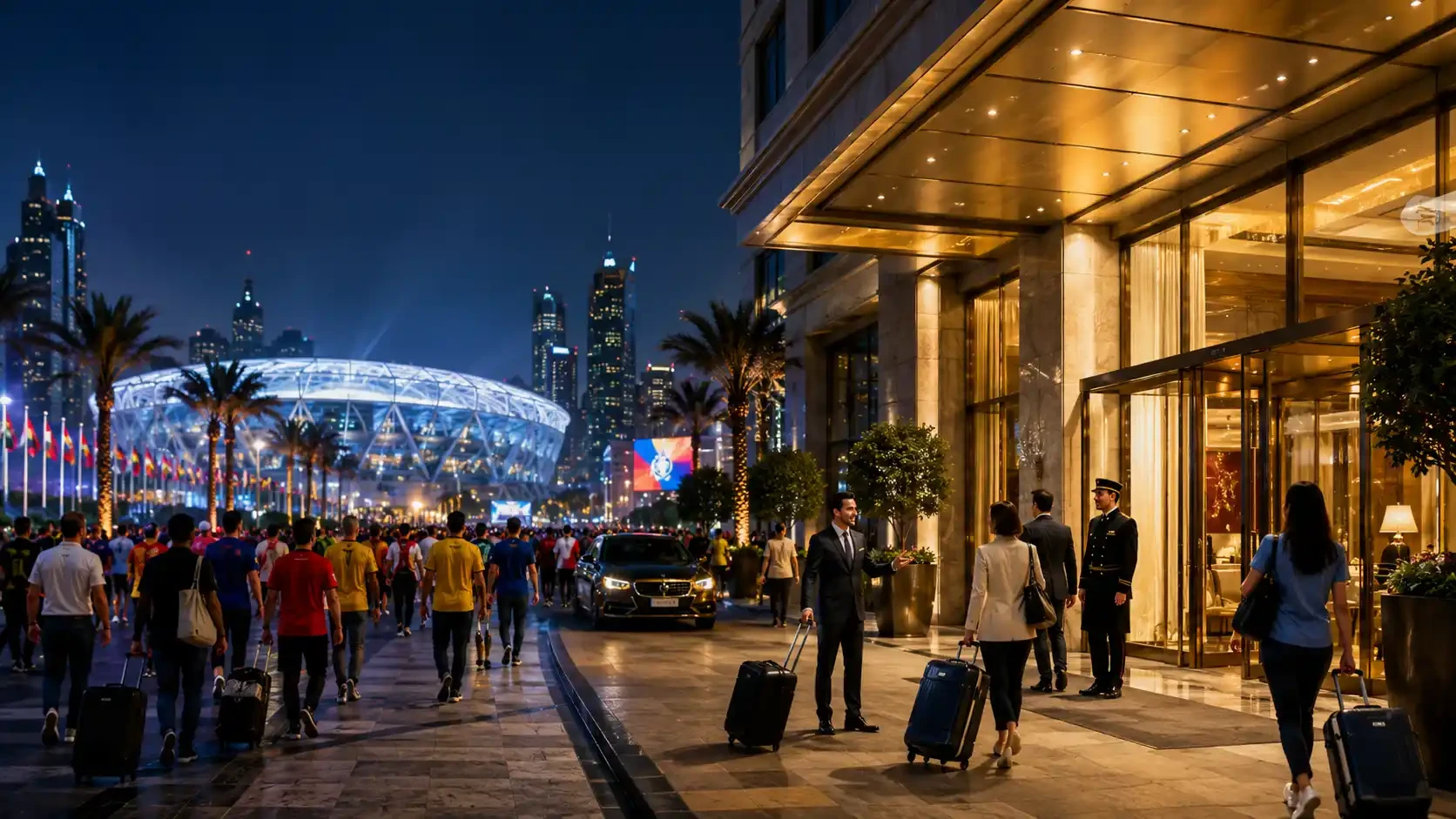
The FIFA World Cup 2026 is one of the largest sporting events ever hosted, bringing together millions of football fans, media professionals, sponsors, and international visitors. While the tournament is centered around football, its economic impact extends far beyond the stadiums. One of the industries that benefits the most is the hospitality sector.
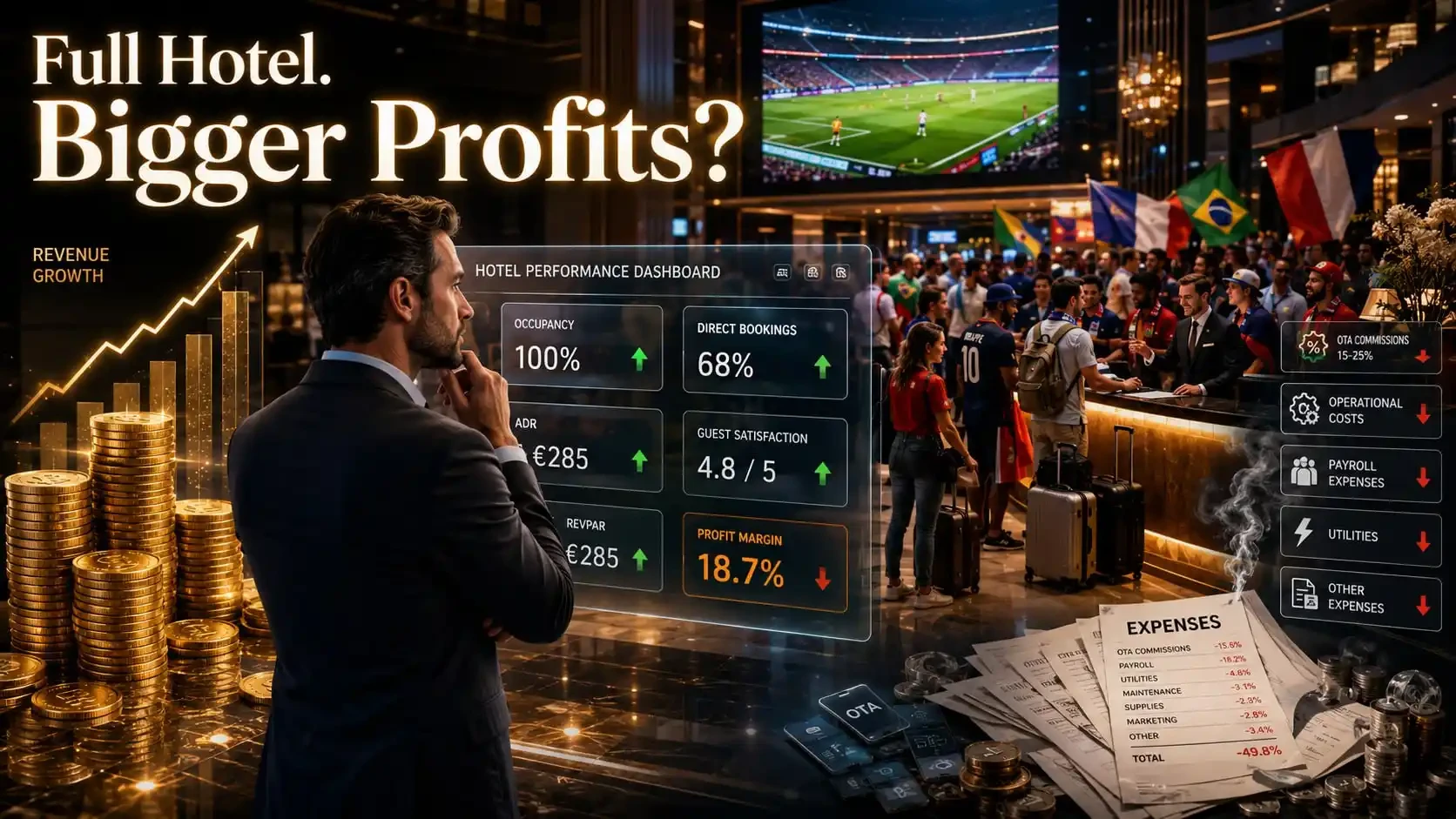
For hotel owners, revenue managers, and hospitality professionals, the FIFA World Cup 2026 represents a unique opportunity to increase occupancy rates, improve average daily rates (ADR), and maximize overall hotel revenue. However, taking full advantage of this opportunity requires careful planning, smart pricing strategies, and an exceptional guest experience.
In this guide, we'll explore how the FIFA World Cup 2026 affects hotel occupancy and what hotels can do to maximize bookings before, during, and after the tournament.
Summary
Why Do Major Sporting Events Increase Hotel Occupancy?
Global sporting events generate travel demand that goes far beyond regular tourism.
During the FIFA World Cup, hotels accommodate various types of travelers, including:
- Football fans from around the world
- National teams and coaching staff
- Journalists and media organizations
- Sponsors and corporate partners
- Event organizers
- Business travelers
- Tourists combining football with leisure travel
As a result, demand for hotel rooms rises dramatically, often months before the tournament officially begins.
Hotels that prepare early are usually able to secure higher occupancy rates while maintaining healthy profit margins.
How Does FIFA World Cup 2026 Impact Hotel Occupancy?
One of the most noticeable effects of the tournament is the significant increase in hotel bookings across host cities and nearby destinations.
Several factors contribute to this surge in demand.
Higher International Travel Demand
Millions of supporters travel internationally to watch their favorite teams compete.
Unlike regular business travelers, football fans often stay several nights or even weeks, especially if they plan to attend multiple matches.
Longer stays translate into higher revenue per booking and improved occupancy throughout the tournament.
Longer Average Length of Stay
Many visitors choose to explore different host cities rather than attending a single match.
Instead of staying for one or two nights, guests frequently book week-long stays, allowing hotels to achieve more stable occupancy levels.
Demand Across Every Hotel Category
Luxury hotels are not the only properties benefiting from the event.
Budget hotels, serviced apartments, mid-scale properties, boutique hotels, and resorts also experience increased demand as travelers look for accommodations that match their budgets and travel preferences.
This means hotels of every size have the opportunity to benefit from the tournament.
Tip
Should Hotels Increase Their Room Rates?
Many hotel managers assume that simply raising prices will automatically increase profits.
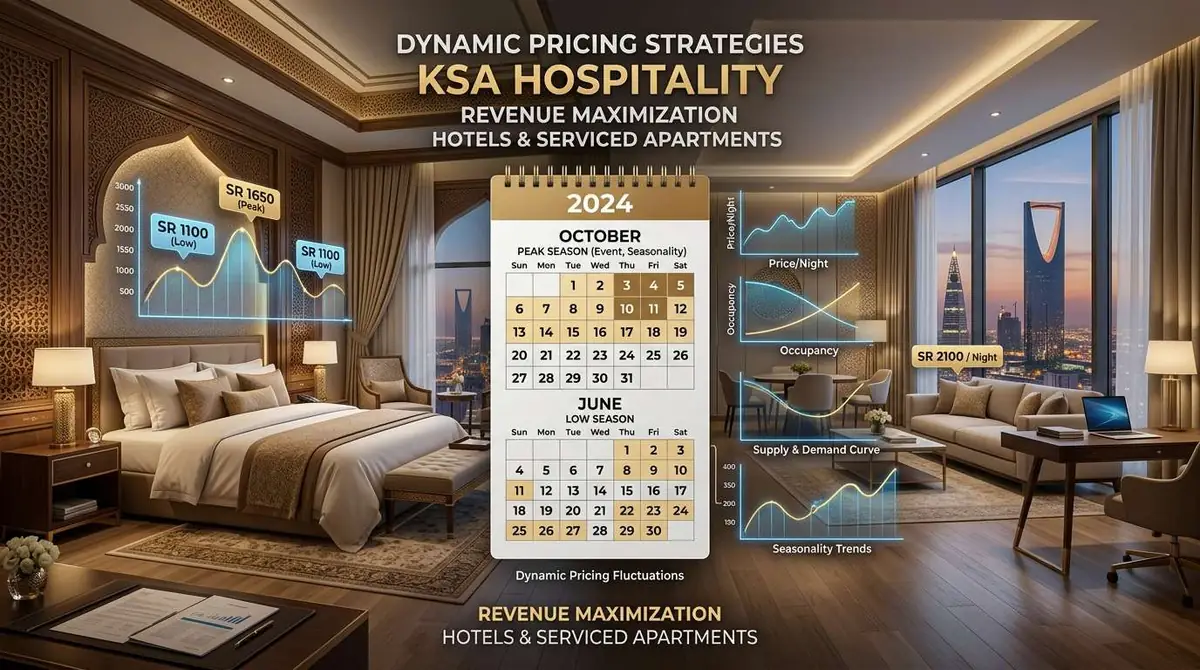
In reality, successful hotels rely on dynamic pricing rather than arbitrary price increases.
Dynamic pricing allows hotels to adjust room rates according to:
- Current demand
- Remaining inventory
- Booking pace
- Competitor pricing
- Local market conditions
Hotels that significantly overprice their rooms risk losing potential guests to nearby competitors offering better value.
The goal is to maximize revenue without reducing booking conversions.
Preparing Hotels for High Demand
Preparation is one of the biggest factors separating successful hotels from average performers during international events.
Hotels should focus on several operational areas before the tournament begins.
Update Room Rates Frequently
Demand can change daily—or even hourly—during a major sporting event.
Revenue managers should continuously monitor booking trends and adjust pricing accordingly.
Optimize Your Hotel Listing
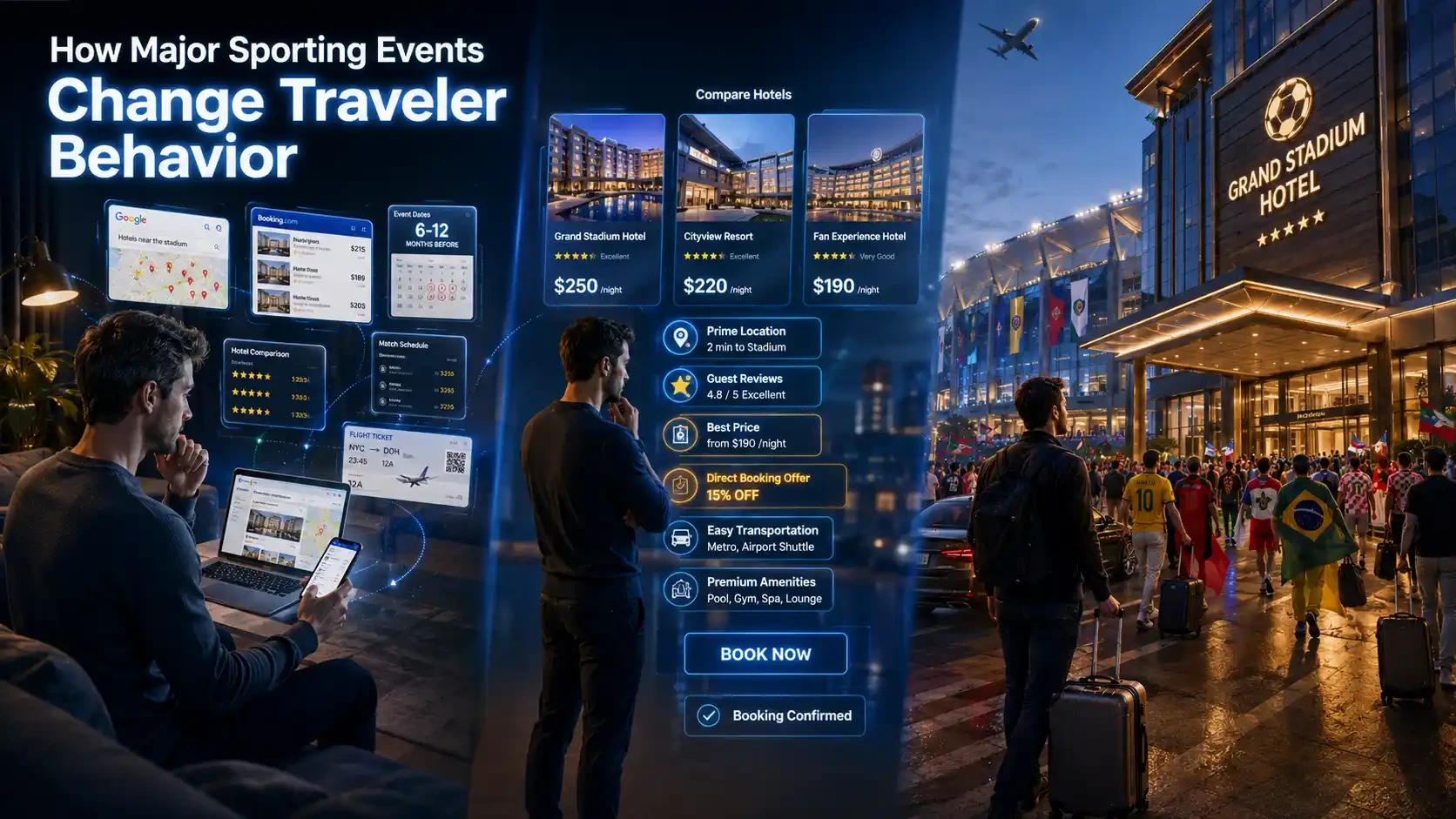
Potential guests often compare dozens of hotels before making a reservation.
An optimized listing should include:
- High-quality professional photography
- Accurate room descriptions
- Updated amenities
- Transportation information
- Flexible booking policies
- Nearby attractions
A complete and attractive hotel profile significantly improves conversion rates.
Train Hotel Staff
Higher occupancy also means increased operational pressure.
Front desk teams, housekeeping staff, and guest service departments should be prepared for larger guest volumes by focusing on:
- Faster check-in and check-out procedures
- Efficient communication
- Multilingual guest support whenever possible
- Quick problem resolution
- Personalized hospitality
Providing an outstanding guest experience can lead to positive reviews long after the tournament has ended.
The Importance of Online Reviews During the Tournament
The impact of the FIFA World Cup does not end when the final match is over.
Guests who enjoy their stay are likely to leave reviews on hotel booking platforms, helping improve the property's online reputation for future travelers.
Positive reviews increase trust, improve visibility on Online Travel Agencies (OTAs), and often lead to higher booking conversion rates in the months following the event.
For this reason, every guest during the tournament should be viewed as a long-term marketing opportunity rather than just a temporary booking.
The Role of Online Travel Agencies (OTAs)
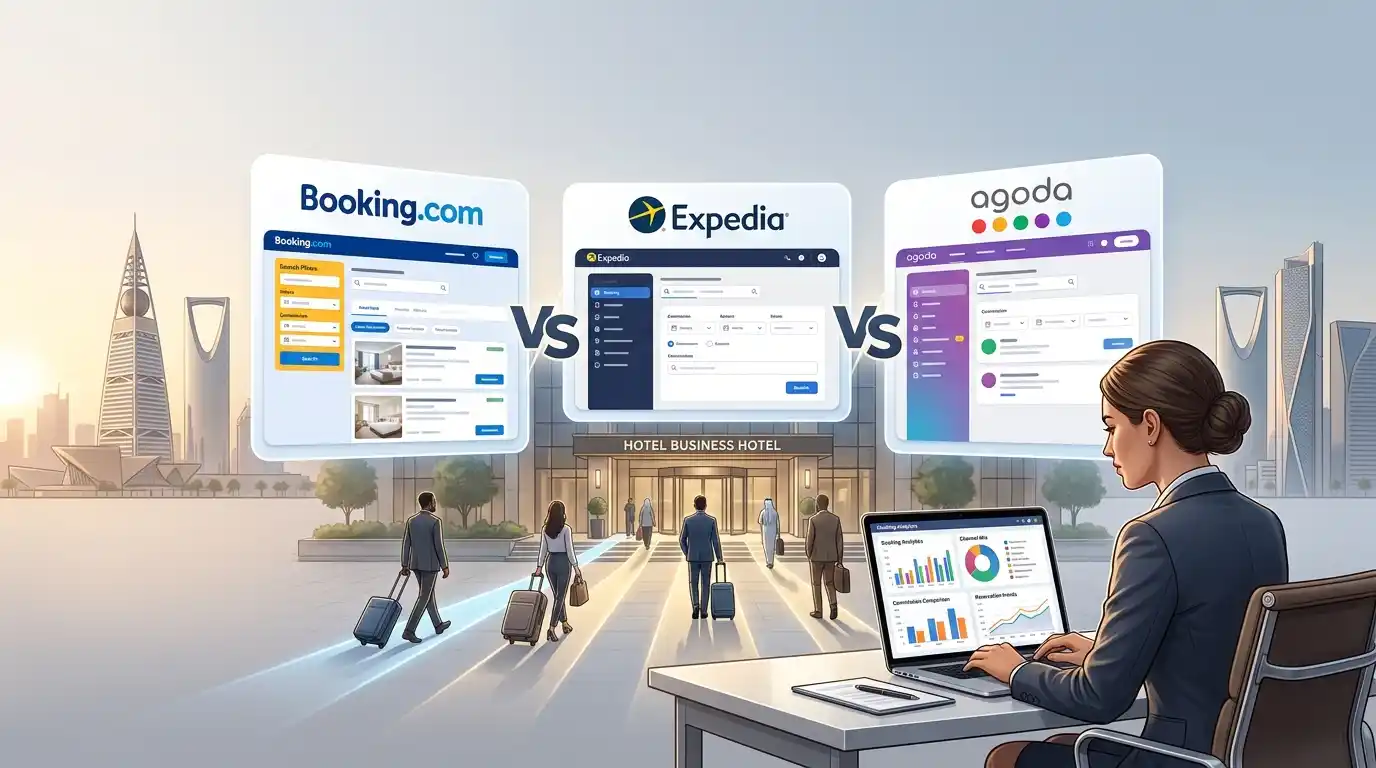
During major sporting events, most travelers search for accommodation through Online Travel Agencies before booking directly.
Hotels should ensure their listings remain competitive across all distribution channels by:
- Updating room availability regularly
- Synchronizing pricing across all platforms
- Responding quickly to guest reviews
- Maintaining accurate property information
- Highlighting amenities that appeal to football fans, such as transportation access, breakfast options, and parking.
A professionally managed OTA profile can significantly increase visibility during periods of high demand.
Common Mistakes Hotels Should Avoid
Despite the enormous opportunities created by the FIFA World Cup, many hotels make avoidable mistakes, including:
- Increasing prices excessively without market analysis.
- Ignoring competitor pricing.
- Failing to update room availability.
- Understaffing during peak demand.
- Delivering inconsistent guest service.
- Depending entirely on one booking channel.
Avoiding these mistakes helps hotels maximize both occupancy and profitability.
Warning
Long-Term Benefits Beyond the Tournament
The FIFA World Cup is not only about short-term revenue.
Hotels that provide excellent service can benefit from:
- Better online ratings
- Increased brand awareness
- Repeat guests
- More direct bookings
- Stronger online visibility
- Improved reputation in international markets
A successful tournament can continue generating business long after the final whistle.
Best Practices for Hotel Managers
To maximize the opportunities created by FIFA World Cup 2026, hotel managers should:
- Review pricing strategies regularly.
- Monitor occupancy forecasts.
- Optimize OTA listings.
- Encourage guests to leave reviews.
- Invest in professional photography.
- Deliver exceptional customer service.
- Focus on long-term reputation rather than short-term profit.
Conclusion
The FIFA World Cup 2026 is expected to become one of the most influential sporting events for the global hospitality industry. Hotels that prepare early, implement effective revenue management strategies, and prioritize guest satisfaction will be in the best position to maximize occupancy and profitability.
While increased demand naturally creates new opportunities, long-term success depends on smart pricing, operational excellence, and delivering memorable guest experiences.
Hotels that view the tournament as more than just a temporary spike in bookings will be better equipped to strengthen their brand, improve their online reputation, and generate sustainable revenue well beyond the event itself.
Frequently Asked Questions
Does hotel occupancy increase during the FIFA World Cup?
Yes. Host cities typically experience significant increases in hotel demand due to international fans, media organizations, sponsors, and event staff.
Should hotels dramatically increase room prices?
Not necessarily. Dynamic pricing strategies generally produce better long-term revenue than excessive price increases.
Can smaller hotels benefit from the tournament?
Absolutely. Budget hotels, serviced apartments, and independent properties often experience increased demand alongside luxury hotels.
What is the most important preparation before a major sporting event?
Hotels should prepare early by optimizing pricing strategies, updating OTA listings, training staff, and ensuring an outstanding guest experience.